Silky Sweet Potato Goat Cheese Sage
A rainy afternoon presses softly against the windows of my friend’s apartment, the kind of gray day that blurs time and makes everyone linger longer than planned. Shoes pile up by the door, a grocery bag sits on the counter, and someone is always opening the fridge just to see what’s inside.
I claim the stove without really asking, peeling sweet potatoes while my college roommate pours wine into mismatched glasses. Outside, traffic hums low and steady, but in here the kitchen feels insulated from urgency. Sage leaves dry on a paper towel like tiny green feathers.
Pasta water begins to boil, fogging up the glasses we forgot to wipe. This dish comes together in pieces, quietly and patiently, while conversations drift from work complaints to weekend dreams.
Nothing feels staged, yet everything looks right. The kind of cooking that fits between stories and laughter. Comforting without being heavy. Pretty without trying too hard. Exactly the mood this afternoon needs.
Short Description
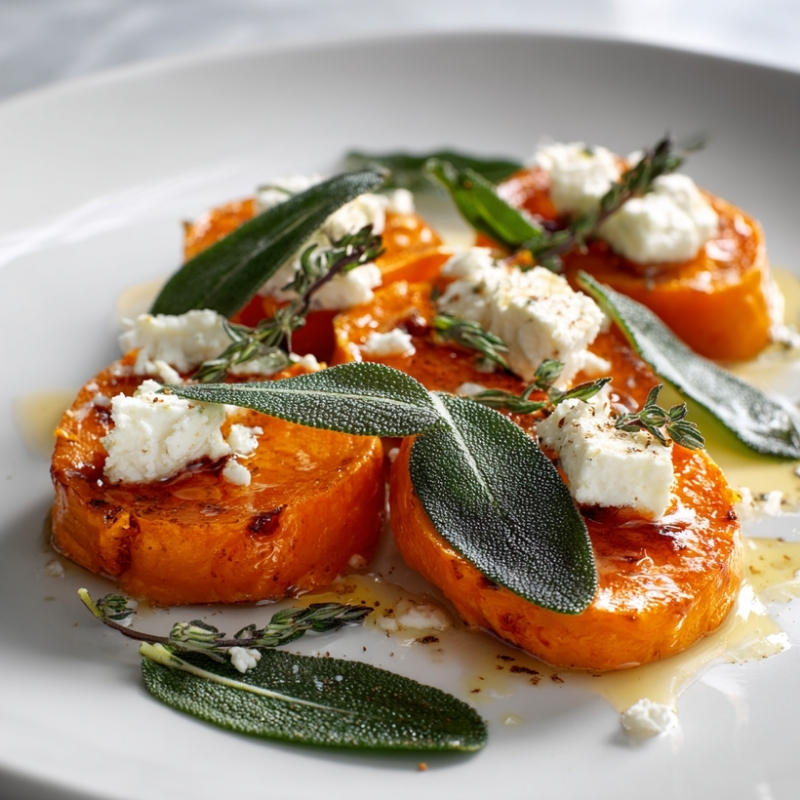
A creamy, savory pasta dish featuring roasted sweet potatoes, tangy goat cheese, and crispy sage leaves, finished with a silky sauce that feels rich but balanced.
Key Ingredients
- 2 medium sweet potatoes about 1.1 pounds peeled and diced
- 2 cloves garlic minced
- 12 ounces short pasta such as rigatoni penne or fusilli
- 4.2 ounces goat cheese crumbled
- ¼ cup heavy cream
- 20 fresh sage leaves
- 2 tablespoons olive oil plus more for drizzling
- 1 tablespoon unsalted butter
- Salt and freshly ground black pepper to taste
- Optional garnish
- 1 ounce grated parmesan cheese
- Crushed red pepper flakes
Tools Needed
- Large baking sheet
- Large pot
- Large skillet
- Slotted spoon
- Colander
- Wooden spoon or spatula
Cooking Instructions
Step 1: Roast the Sweet Potatoes and Garlic
Preheat the oven to 430°F. Toss the diced sweet potatoes and minced garlic with 1 tablespoon olive oil, salt, and black pepper. Spread them evenly on a baking sheet without overcrowding. Roast for 20 to 25 minutes, stirring halfway through, until the edges are caramelized and the centers are fork tender. The color should be deep orange with golden spots.
Step 2: Cook the Pasta
While the vegetables roast, bring a large pot of well salted water to a rolling boil. Add the pasta and cook according to package instructions until al dente. Reserve ⅔ cup of the pasta cooking water before draining. The pasta should be tender with a slight bite.
Step 3: Fry the Sage Leaves
Heat the remaining 1 tablespoon olive oil and the butter in a large skillet over medium heat. Add the sage leaves in a single layer. Fry for 1 to 2 minutes until crisp and slightly darkened. Remove immediately with a slotted spoon and place on a paper towel. Watch closely. Sage burns quickly once crisp.
Step 4: Combine the Roasted Vegetables
Add the roasted sweet potatoes and garlic to the same skillet. Using a fork, gently mash about half of the sweet potatoes, leaving the rest in chunks. This creates a naturally creamy base while keeping texture.
Step 5: Finish the Pasta
Add the drained pasta to the skillet. Pour in the heavy cream, crumbled goat cheese, and about ⅓ cup of the reserved pasta water. Toss gently over low heat until the goat cheese melts and the sauce coats the pasta evenly. Add more pasta water a little at a time if the sauce feels too thick.
Step 6: Season and Serve
Season with salt and freshly ground black pepper to taste. Serve immediately topped with crispy sage leaves, grated parmesan if using, a drizzle of olive oil, and a pinch of red pepper flakes for heat.
Why You’ll Love This Recipe
Creamy Without Heaviness: Goat cheese and pasta water create silkiness without excess richness.
Balanced Flavor: Sweet roasted potatoes meet tangy cheese and earthy sage.
Simple Yet Elegant: Minimal steps with a restaurant worthy look.
Flexible: Works for weeknights or casual gatherings.
Vegetarian Friendly: Satisfying without meat.
Mistakes to Avoid & Solutions
Overcrowding the Pan: Crowded sweet potatoes steam instead of roast. Use a large sheet and spread them out.
Burning the Sage: Remove the sage as soon as it crisps. Lower heat if needed.
Dry Sauce: Always reserve pasta water. It helps loosen and bind the sauce.
Overcooking Pasta: Stop at al dente. Soft pasta dulls texture.
Too Salty: Goat cheese adds salt. Taste before seasoning heavily.
Serving and Pairing Suggestions
Serve as a main dish with a simple green salad.
Pair with a crisp white wine like Sauvignon Blanc.
Works well plated individually or served family style in a wide bowl.
Add crusty bread on the side for scooping sauce.
Storage and Reheating Tips
Store leftovers in an airtight container in the refrigerator for up to 3 days.
Reheat gently on the stove with a splash of water or milk to loosen the sauce.
Avoid high heat when reheating to prevent the cheese from separating.
Not ideal for freezing due to the dairy based sauce.
FAQs
1. Can I use a different pasta shape?
Yes. Any short pasta with ridges works well to hold the sauce.
2. Can I substitute the goat cheese?
Ricotta or cream cheese can work, but the tang will be milder.
3. Is this dish spicy?
No. Heat is optional and controlled with red pepper flakes.
4. Can I make this ahead of time?
It’s best fresh, but it can be made a few hours ahead and gently reheated.
5. Can I add protein?
Grilled chicken or crispy chickpeas pair well without overpowering the dish.
Tips & Tricks
Roast the sweet potatoes until deeply caramelized for maximum flavor.
Tear sage leaves slightly before frying for extra crisp edges.
Use high quality olive oil for finishing. It shows here.
Warm your serving bowls to keep the pasta creamy longer.
Recipe Variations
Brown Butter Walnut Version
Replace olive oil with an additional 1 tablespoon butter. After frying sage, add ¼ cup chopped walnuts and cook until toasted. Nutty and rich.
Lemon Herb Twist
Add 1 teaspoon lemon zest and 1 tablespoon fresh thyme at the end. Bright and fresh with herbal notes.
Dairy Light Option
Use 2 tablespoons olive oil instead of cream and reduce goat cheese to 3 ounces. Toss with extra pasta water for a lighter finish.
Final Thoughts
As the rain tapers off and the plates empty, the conversation slows into that comfortable quiet. This dish feels like a pause button, soft and grounding without asking for much. It fits easily into shared tables and casual afternoons.
There’s satisfaction in how simple elements come together without excess. Sweetness, creaminess, crunch, and warmth all in balance. It’s the kind of meal that makes people linger a little longer. Not because they’re full, but because they’re content. That’s the energy I want from food. Honest, relaxed, and quietly beautiful.
Silky Sweet Potato Goat Cheese Sage
Course: MainDifficulty: Easy4
servings20
minutes30
minutesA creamy, savory pasta dish featuring roasted sweet potatoes, tangy goat cheese, and crispy sage leaves, finished with a silky sauce that feels rich but balanced.
Ingredients
2 medium sweet potatoes about 1.1 pounds peeled and diced
2 cloves garlic minced
12 ounces short pasta such as rigatoni penne or fusilli
4.2 ounces goat cheese crumbled
¼ cup heavy cream
20 fresh sage leaves
2 tablespoons olive oil plus more for drizzling
1 tablespoon unsalted butter
Salt and freshly ground black pepper to taste
Optional garnish
1 ounce grated parmesan cheese
Crushed red pepper flakes
Directions
- Preheat the oven to 430°F. Toss the diced sweet potatoes and minced garlic with 1 tablespoon olive oil, salt, and black pepper.
- Spread them evenly on a baking sheet, leaving space between pieces. Roast for 20 to 25 minutes, stirring halfway through, until caramelized on the edges and fork tender in the center.
- While the vegetables roast, bring a large pot of well salted water to a rolling boil. Cook the pasta according to package directions until al dente. Reserve ⅔ cup of the pasta cooking water, then drain. The pasta should be tender with a slight bite.
- Heat the remaining olive oil and butter in a large skillet over medium heat. Add the sage leaves in a single layer and fry for 1 to 2 minutes until crisp and lightly darkened. Remove with a slotted spoon and drain on a paper towel, watching closely to avoid burning.
- Add the roasted sweet potatoes and garlic to the skillet. Use a fork to mash about half of the sweet potatoes, leaving the rest in chunks to create a creamy base with texture.
- Add the cooked pasta to the skillet along with the heavy cream, crumbled goat cheese, and about ⅓ cup of the reserved pasta water. Toss gently over low heat until the cheese melts and the sauce coats the pasta. Add more pasta water a little at a time if needed.
- Season with salt and freshly ground black pepper. Serve right away topped with crispy sage leaves, grated parmesan if using, a drizzle of olive oil, and a pinch of red pepper flakes.